
Exterior Home Redesign Guide: Pro Advice for 2026
A successful exterior home redesign requires balancing aesthetic goals with structural reality. We break down the costs, timelines, and design strategies for 2026.
Introduction
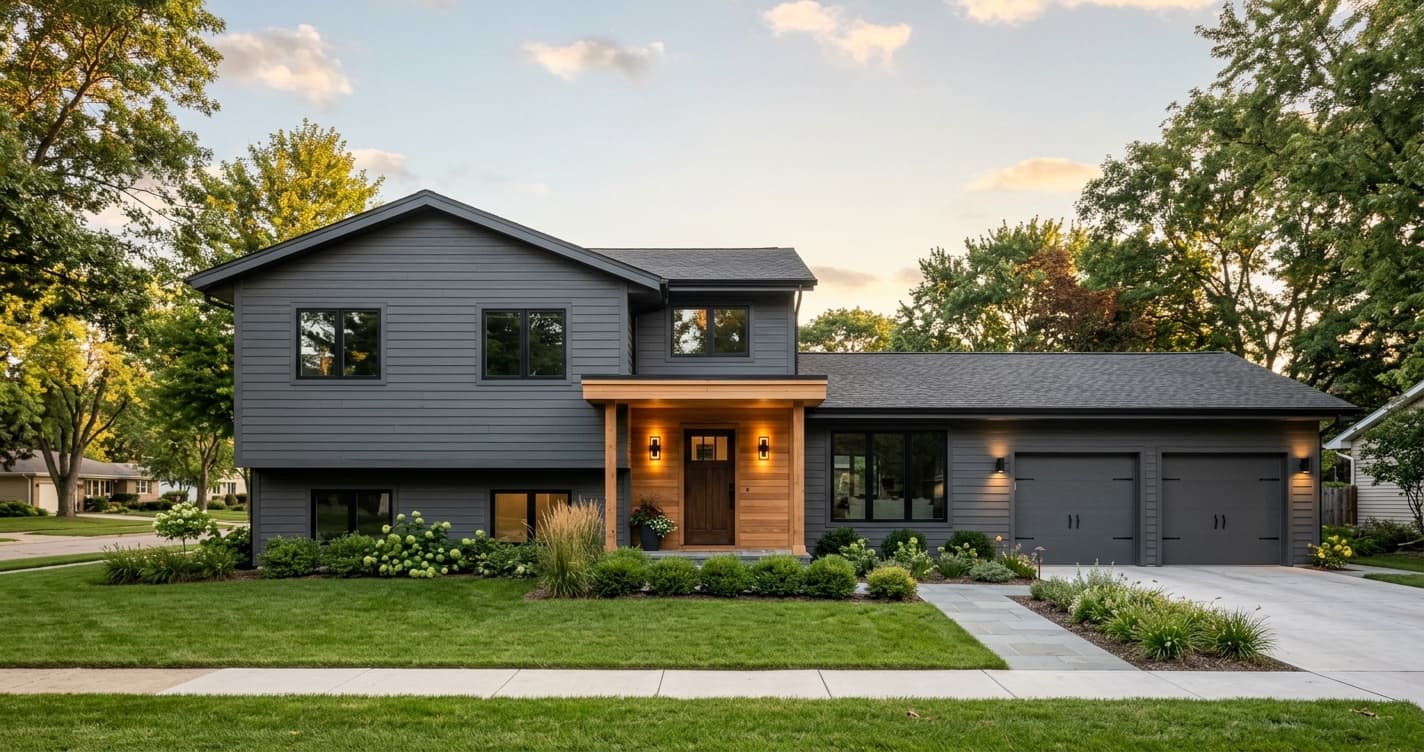
An exterior home redesign is more than a coat of paint; it is a calculated effort to sharpen your property's silhouette and improve its longevity. Whether you are addressing dated siding or rethinking a tired front porch, the decisions you make this year will dictate your maintenance schedule for the next decade. We look at the materials, structural considerations, and planning phases required to reach a result that feels both current and permanent.
Table of Contents
Planning Your Redesign
Before you commit to a color palette or a new roofline, you must audit the existing structure. According to the National Association of the Remodeling Industry, exterior projects often uncover hidden water damage or dry rot, which can consume 10-15% of your contingency budget. A thorough inspection of your home’s "envelope"—the barrier between the interior and exterior—is the first step in any responsible plan.
Defining Your Architectural Style
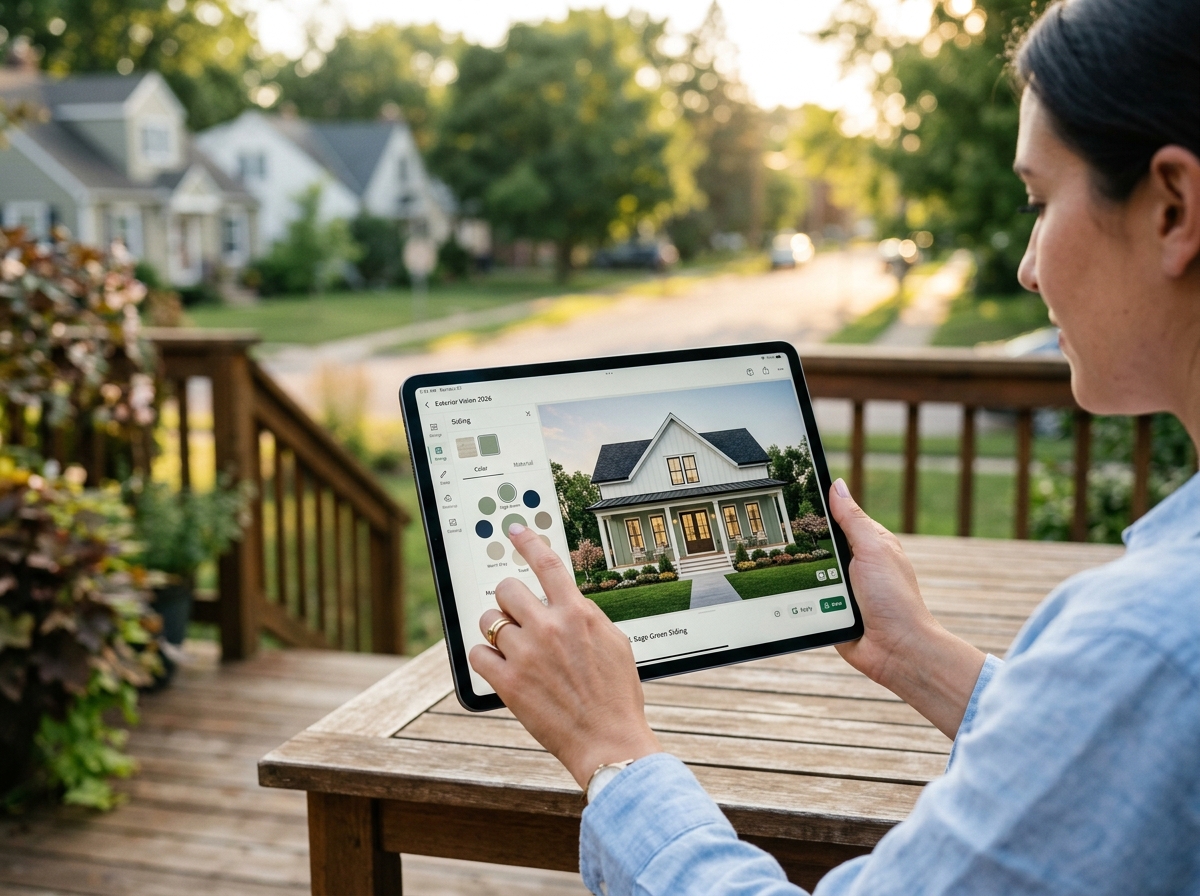
Don't force a contemporary aesthetic onto a traditional craftsman home. Stick to the structural bones of the building; if you have a mid-century ranch, lean into horizontal lines and low-slung roof profiles. Tools like Rendera AI can show you what your home might look like with different siding materials, while an ai landscape design generator can help you visualize your yard's layout, beating the process of squinting at a floor plan or trying to visualize a color swatch in the driveway.
The Role of Lighting and Hardware
Small details often define the success of an exterior project. Replace mismatched house numbers and dated sconces with fixtures that match the scale of your entryway. We suggest matte black or oil-rubbed bronze for a modern, grounded feel. Aim for 3,000K color temperatures for your exterior lighting to keep the mood warm and inviting without appearing harsh or clinical.
Material Selection
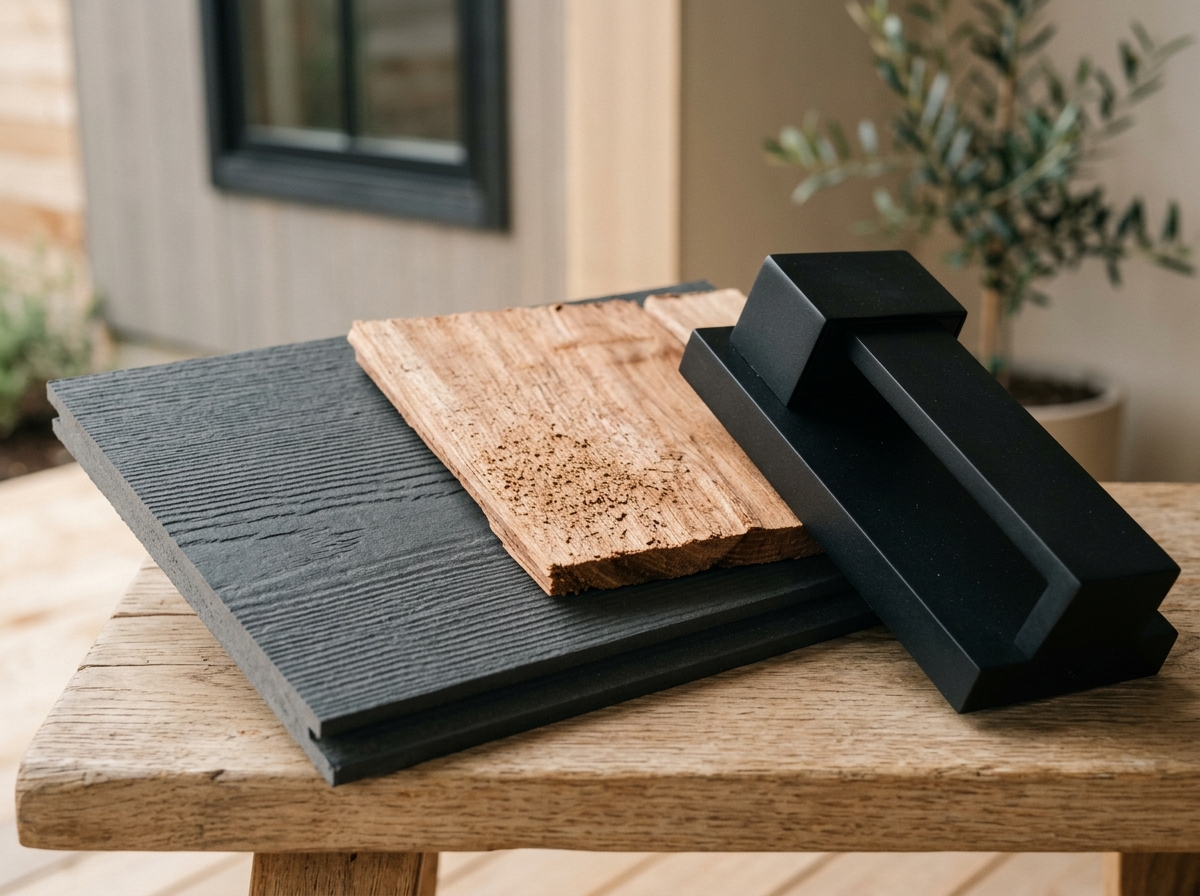
The choice of cladding determines your maintenance cycle for years to come. While traditional wood clapboard offers natural beauty, it requires repainting every 5 to 7 years. Fiber cement products, such as those from James Hardie, offer a solid alternative that resists fire, moisture, and pests with significantly less upkeep.
Siding and Trim
Fiber cement siding typically costs $6–$12 per square foot installed. If you prefer the look of natural materials, cedar shakes are a classic, though you must account for the higher labor costs and periodic staining. For trim, PVC products are now the industry standard because they do not rot, peel, or warp, even in high-humidity regions.
Roofing and Windows
Replacing a roof is an expensive necessity, but it is also an opportunity to change your home's profile. Architectural asphalt shingles remain the most popular choice due to their durability and 30-year life expectancy. For windows, triple-pane glass is the benchmark for energy efficiency in 2026, helping to reduce thermal bridging and lower your heating and cooling costs.
Budget Breakdown
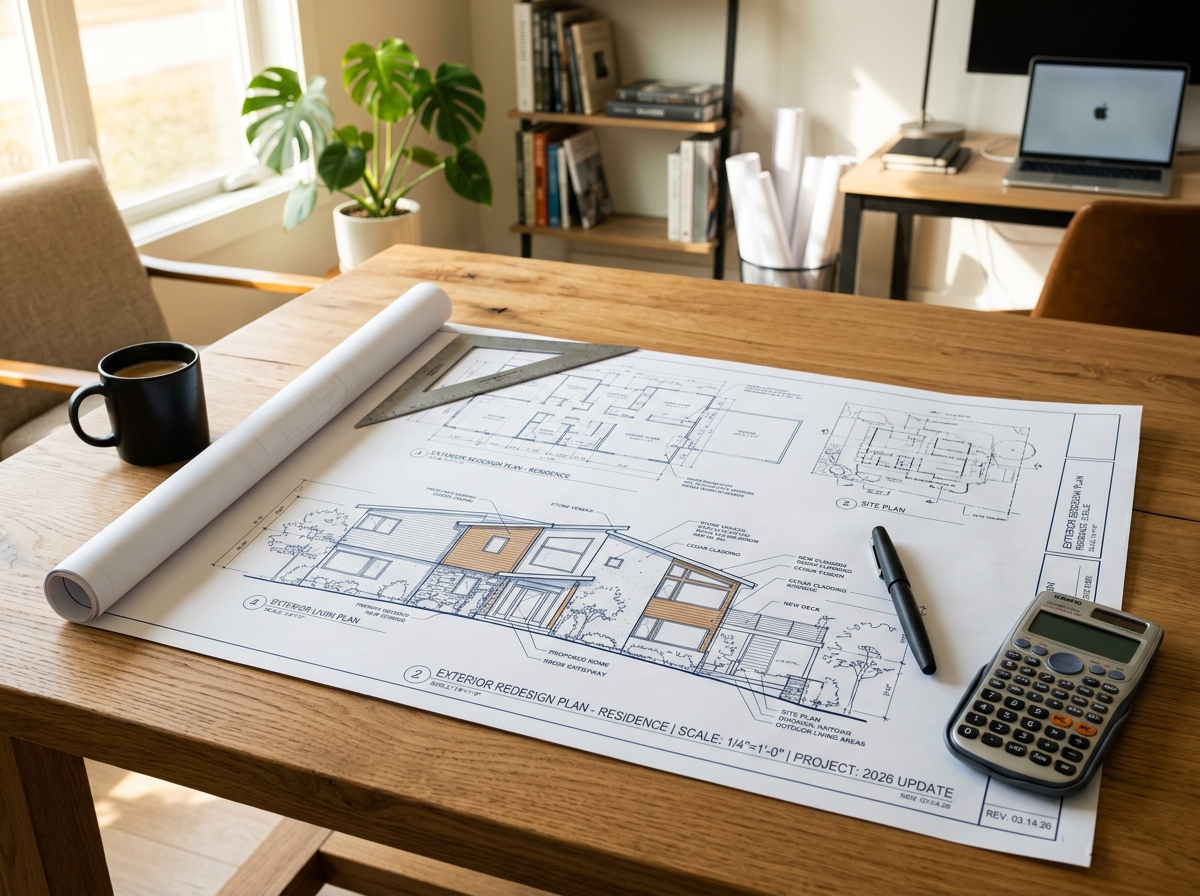
Exterior work is prone to cost overruns because of the unpredictable nature of what lies beneath the surface. We suggest keeping a 20% contingency fund specifically for structural repairs. Per the 2026 Remodeling Cost vs. Value Report, exterior projects consistently offer high returns on investment, though specific ROI varies by region and market saturation.
Economy Tier ($15,000–$30,000)
This tier focuses on high-impact, low-cost modifications. Plan for professional painting of existing siding, replacing old light fixtures, updating house numbers, and refreshing landscaping. You might manage a partial siding repair or a front door replacement here, but major architectural changes are usually outside this scope.
Mid-Range Tier ($35,000–$75,000)
This range allows for significant structural updates. You can expect to replace all siding with fiber cement, install new energy-efficient windows, and potentially replace your front entry system. This is the most common tier for homeowners looking to improve both energy efficiency and visual character simultaneously.
Premium Tier ($80,000+)
At this level, you are looking at full-scale material changes. Think stone veneer accents, custom copper gutters, high-end cedar or composite cladding, and expanded covered entryways. Every element is bespoke, and the project often includes a complete overhaul of the hardscaping and exterior lighting design.
Project Timeline
Patience is required for any exterior project. Expect a lead time of 8 to 12 weeks for materials, especially if you are sourcing specialty siding or custom windows. Once work begins, a standard siding and window project usually takes 4 to 6 weeks, assuming weather conditions remain favorable.
Pre-Construction (Months 1-3)
Use this time for permitting, material selection, and finalizing your design. If you need to consult with a structural engineer, do it now. Decisions made during this phase prevent expensive change orders later.
Construction (Months 4-6)
The crew will likely start with the demolition of old siding, followed by the installation of a new weather-resistant barrier. Windows are installed, then siding, and finally trim and lighting. If your project includes major hardscaping, this is often scheduled to occur once the main exterior work is finished.
Conclusion
An exterior home redesign is an investment in your home’s future value and your daily enjoyment. By focusing on durable materials, appropriate architectural details, and a realistic budget, you ensure that the work stays relevant for decades. Start by identifying your primary goals—whether they are energy efficiency or curb appeal—and build your plan from there.
The Rendera Team
We're designers, developers, and home improvement enthusiasts building AI tools to help you visualize your dream space.
Learn more about RenderaSee What Your Space Could Look Like
Upload a photo and get AI-powered design ideas in seconds. Free to try.
Try Rendera FreeRelated Articles
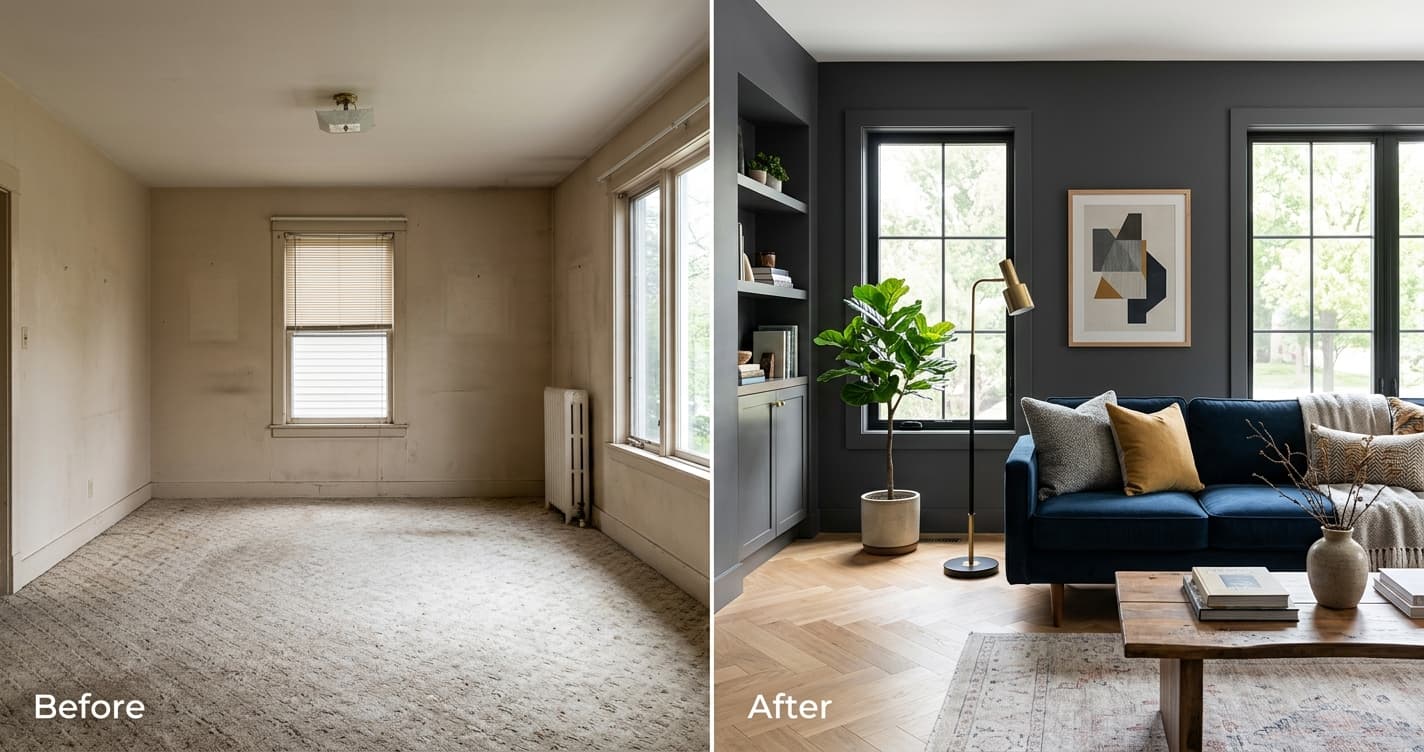
What Is the Best Free AI Interior Design Tool? 2026 Guide
We analyze current AI-driven design platforms to determine which free tools offer the most utility for homeowners planning a home update.
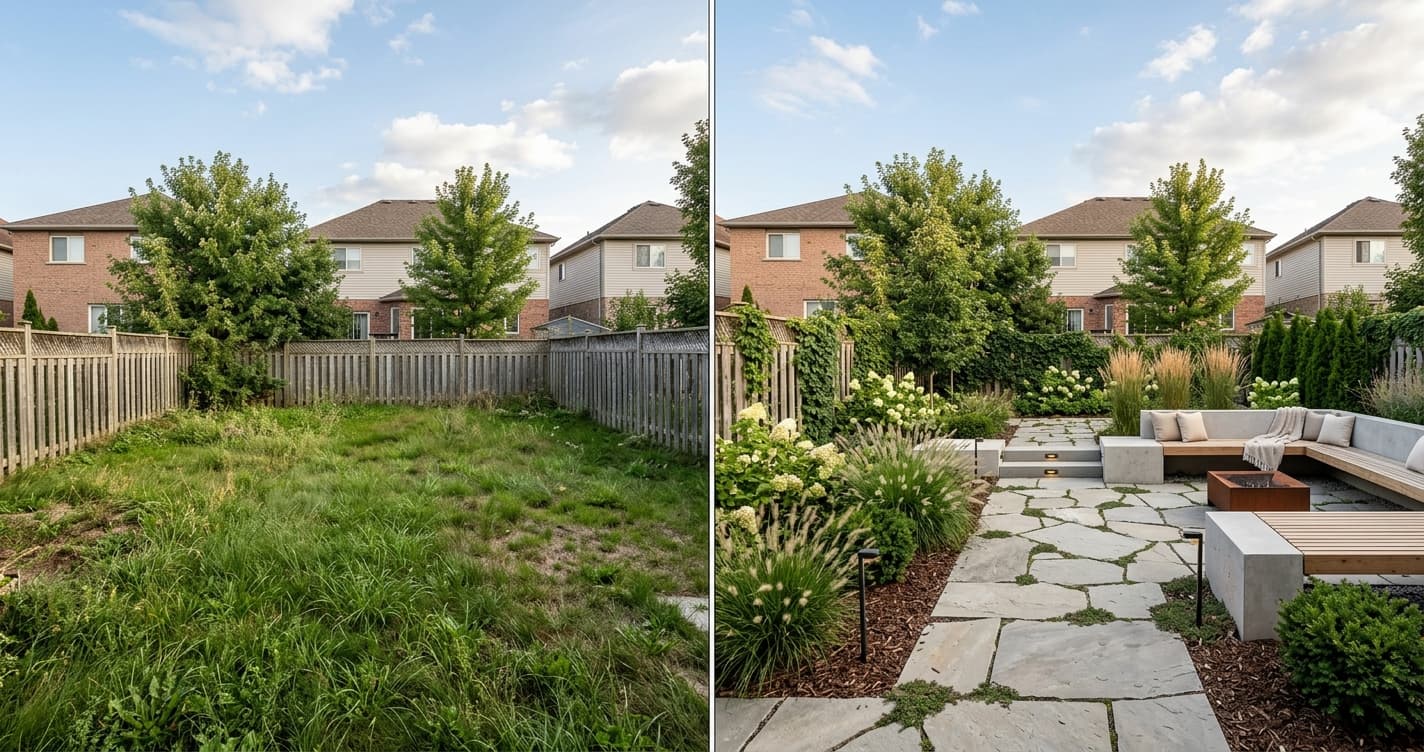
AI Landscape Design Generator Guide: Visualize Yards in 2026
Planning an outdoor renovation? Discover how AI landscape design generators help you visualize hardscaping, plantings, and layouts before breaking ground.
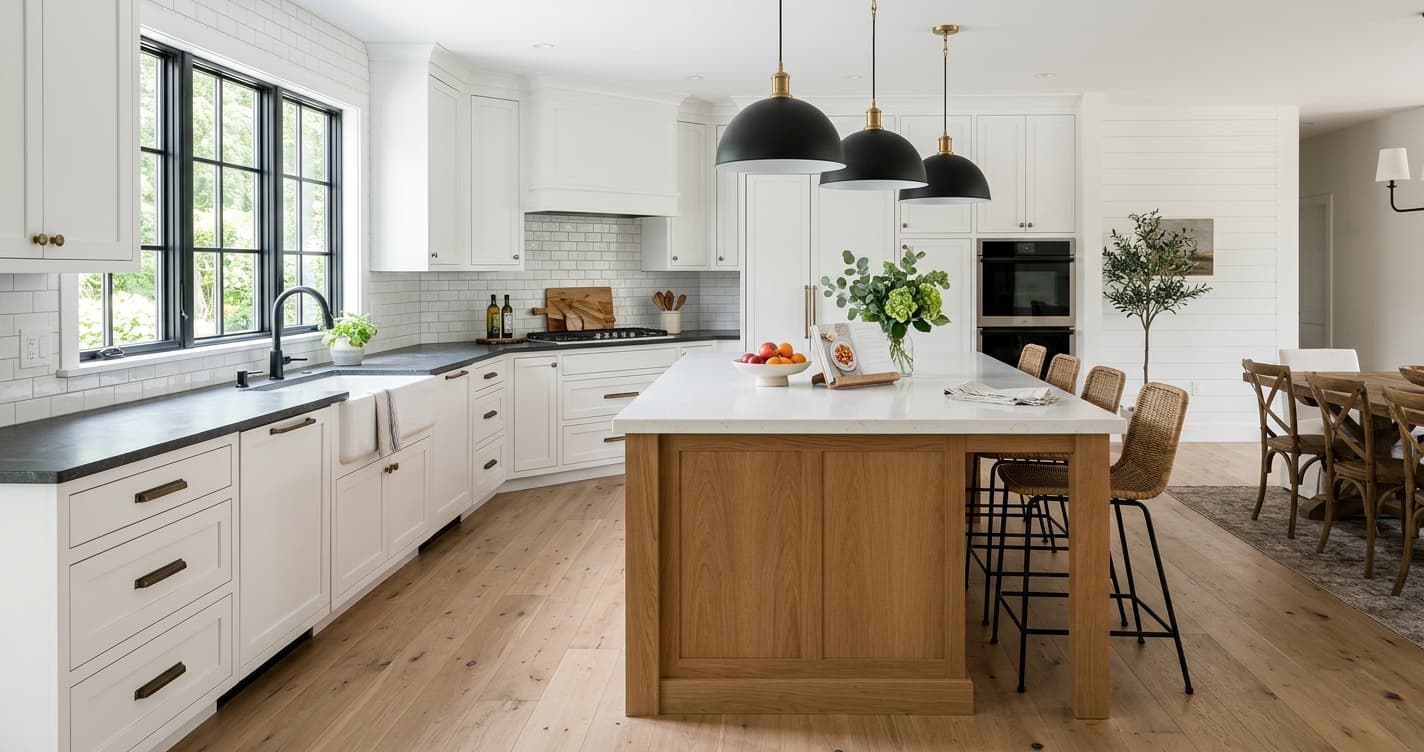
Farmhouse Kitchen Ideas Guide: A Modern Take in 2026
The farmhouse kitchen is evolving. Forget the dated shiplap and mason jars; the modern look for 2026 is about blending rustic texture with clean lines, quality materials, and serious functionality. This guide breaks down the essential farmhouse kitchen ideas, from budget to build.